However, many people are willing to pay the extra cost for the convenience and luxury of having spa services available to them while on vacation. As with any job, there are pros and cons to working as a cruise ship medical professional. On the one hand, the opportunity to travel and work in a unique environment can be a major draw. On the other hand, the long hours and lack of access to certain amenities, such as free wifi, may not be for everyone.
Construction on Second Chinese-Built Cruise Ship Well Underway
And on a modern cruise ship there are dozens if not hundreds of different roles, from the captain of the ship to kitchen staff. The recruitment process for cruise ship employees involves rigorous screening, background checks, and interviews. Qualifications depend on the job, but most require previous experience and certification. It’s a competitive industry, with thousands of applicants vying for each position. To become a cruise director, one typically needs several years of experience in the entertainment industry, as well as strong leadership and organizational skills. They must have the ability to manage a large team of staff and work collaboratively with other departments on the ship.
What Happens If A Cruise Ship Gets Hit By Rogue Waves?
It’s important to remember that most cruise ship workers earn towards the lower end of the salary range. At the top, the cruise ship captain can earn over $177,000 annually, depending on the ship’s size and years of experience. "Crew members are very satisfied with their jobs and the opportunities for career advancement, which explains why employee retention rates in the cruise industry are upwards of 80%." By keeping these factors in mind and actively working to improve your skills and qualifications, you can increase your income and enjoy a more fulfilling career. I was surprised to learn how much medical professionals on luxury cruise lines can earn, given the importance of their roles in ensuring the well-being of guests. Cruise ship medical staff play a crucial role in providing necessary medical attention to guests who may fall ill or get injured on the ship.
What are the working conditions like for cruise ship workers?
Instead, they have specific hours or parts of the day when they are not scheduled to work. Their schedules are structured in shifts, allowing for some time to rest, but full days off are rare during their contract, which can last several months. Cruise ship workers typically work long hours, often ranging from 10 to 14 hours per day.
Best Cruise Tips, Tricks, Secrets, and Freebies
Before gratuities, most cruise ship employees make between $10,000 and $15,000. At the top, depending on the size of the ship and years of experience, a cruise ship captain can make over $177,000 a year. The cruise ship industry reports that the median yearly salary for employees is between $16,000 and $20,000. Entry-level positions are often the starting point for many professionals in the cruise industry.
Tom Cruise Struck Gold With Top Gun: Maverick Salary - Top Gun 3 Can Earn Him an Even More Gargantuan Paycheck - FandomWire
Tom Cruise Struck Gold With Top Gun: Maverick Salary - Top Gun 3 Can Earn Him an Even More Gargantuan Paycheck.
The remuneration structure in the cruise ship industry is multifaceted and varies widely across different positions and companies. In fact, jobs on cruise ships are coveted positions in some countries where the work is seen as a steady source of employment that provides a dependable monthly salary for an extended family. Cruise ship salaries vary widely across positions, cruise lines, and regions served. While some roles offer lucrative compensations, others, especially entry-level positions, may have more modest salaries. Factors such as job responsibilities, experience, and the cruise line’s reputation significantly influence remuneration. Additionally, non-monetary benefits such as accommodation, meals, and travel opportunities contribute to the overall appeal of cruise ship employment.
What draws most people to this profession is a desire to see the world, travel to exotic destinations, and deepen their love of the sea. Despite incurring some additional expenses, cruise ship staff find that they can save more money than in many land-based jobs due to providing lodging and meals. Working on a cruise ship offers unique benefits catering to a different lifestyle than traditional land-based jobs. The responsibilities of a cruise director include organizing and scheduling various activities and events, leading the entertainment team, and ensuring passengers’ safety and satisfaction.
Rather than getting full days off, crew members get large gaps in their schedule, but they work every day of their contract. Despite what you may have seen on the television show, "The Love Boat", crew members are strictly prohibited from any kind of relationships with passengers onboard. Additionally, they work longer hours, which means more income if your wage is hourly. Highly discounted cruise ship rates are also available for workers and their families. Some may need hundreds of staff in various departments, while others may have a more scaled-back crew. Welcome to High Seas Cruising, your resource for exploring the exciting world of cruise ship travel.
As someone who loves to travel, I’ve always been curious about how much money cruise ship workers make. It’s easy to assume that they earn a lot, given the luxurious nature of the industry. But as I delved deeper into the topic, I realized that the answer is not as straightforward as I thought. They also play a crucial role in enhancing the guest experience by socializing and greeting passengers, attending to guest complaints, and ensuring high customer service. A captain’s multifaceted role demands strong communication, problem-solving skills, and the ability to remain calm in emergencies, making it a challenging yet rewarding position.
Even though it could seem like the dream foreign holiday, a lot of work goes into the planning. That means there is no set compensation list for every cruise line that shows what different positions make (at least publicly). It’s important to do your research and negotiate based on your experience and the position you’re applying for in order to ensure fair compensation. Cruise lines cover the cost of food and a place to stay for crew members working onboard.
For example, cruise ship chefs usually have several years of experience working in similar roles in luxury hotels, restaurants or other high-volume food service facilities. The executive chef on a cruise ship can make up to $6,500 per month, depending on the ship. However, cruise ship waiters may only make $1,200 per month for a junior position or $5,000 per month for the head waiter on an ultra-luxury cruise ship. A cruise ship crew member for Carnival, Royal Caribbean, or Norwegian Cruise Line can earn an annual average between $16,000 to $20,000.
Safety is a paramount concern, and the Chief Engineer must know maritime safety laws and regulations, including fire prevention protocols. This role demands technical expertise, strong leadership, and the ability to manage a diverse team effectively in various situations, including emergencies. The Hotel manager is in charge of the Hotel Division on a cruise ship, which includes Housekeeping, Entertainment, Food and Beverage, and the Purser’s Office. Physical stamina, rope and rigging skills, and endurance are requirements for the role. Working in various weather conditions and handling heavy equipment are part of the job description. Deckhands are required to follow safety procedures and put in lengthy hours of work.
If you’re considering getting a job on a cruise ship or a curious passenger, you’re probably wondering how much do cruise ship workers make? Although the salary is low, there are minimal living expenses while you’re on contract. Deckhands aboard cruise ships have a vital role in the upkeep and security of the ship. They are in charge of maintaining the common areas, decks, and exterior of the ship.
Plus, sailing costs and (once the contract is completed) round-trip airfare are covered by the cruise line. The captain liaises with port authorities for smooth transit and compliance with various regulations. Captains are on call 24 hours a day and must be ready to take charge in emergencies. "Financially, it's not a good business prospect, which is why I stopped doing it." Cruise has a program called Recurring Liquidity Opportunity (RLO) to give employees liquidity on their private stock which is bought back by General Motors and other partners.
(on crew deck 0 below) Medical Center is the ship’s hospital operated by resident doctors/physicians and nurses on 24-hour call duty. The infirmary (open between 8 am – 8 pm /doctor hours 8-11 am and 3-6 pm) is equipped with defibrillators, external pacemakers, pulse oximeters, an ECG (electrocardiograph machine), thrombolytic and lab equipment. Treatments at the ship hospital are equivalent to a private doctor’s visit. The only exception is Bonine (seasickness medication) also available for free at the ship’s Reception (24 hours). Upper Deck cruise cabins from 6201 to 6483, of which Inside (categories 1A, 4D, 4E, 4J-Obstructed), and the rest are Balcony staterooms categories 8A, 8B, 8M-Aft Extended Balcony, 9C-Premium. Verandah Deck cruise cabins from 8201 to 8461, of which Inside (categories 1A, 4F, 4G), and the rest are Balcony staterooms (8C, 8D, 8N-Aft Extended Balcony, 9B-9C-Premium).
ONBOARD DINING
Draft beers are served/priced in pints (16 oz / 470 ml) and tubes (101 oz / 3 L). On seadays are staged drink-mixing competitions between both bars (RedFrog and BlueIguana). Cruisedeckplans provides full interactive deck plans for the Carnival Valor Upper deck.
Carnival Valor Decks and Cabins
At Seafood Shack you can check out the cruise itinerary's current selection. BlueIguana Tequila Bar is an outdoor poolside bar for Mexican drinks (brews, frozens, cocktails, margaritas). BlueIguana Bar’s menu has draft beers (Modelo Especial, Dos Equis), bottled beers (Sol, Tecate, Corona, Pacifico), Beer Cocktail, beer buckets, Mexican tequilas, non-alcoholic frozens, soft drinks.
Carnival Valor deck 8 plan (Verandah-Cabins-Bridge)
And pretty much anyone, young or slightly-less-young, will be thrilled by our 214-foot long, four-deck-tall Twister waterslide™.
The ship's aft pool on Lido Deck used to be an adults-only area. Since 2017, Prometheus Pool is a family-friendly area, which means kids are allowed in the swimming pool. Carnival Deli (complimentary, open between 11 am - 11 pm) offers hot/cold sandwiches and sides and has a draft beer dispenser (for ThirstyFrog Red and Bud Light). Riviera Deck cruise cabins from 1,201 to 1,465, of which Inside cabins (categories – 1A, 4A and 4B), Oceanview cabins (6A, 6B and PT – porthole).
The 8 classes of Carnival Cruise Line ships, explained - The Points Guy
The 8 classes of Carnival Cruise Line ships, explained.
Just move your mouse over any cabin and a pop up will appear with detail information, including a full description and floor layout, and a link to pictures and/or videos. These are the newest deck plans for Carnival Valor Upper deck plan showing public venues and cabin numbers and locations. Draft beers are served/priced in pints (19 oz / 560 ml) and tubes (101 oz / 3 L). Cruisedeckplans provides full interactive deck plans for the Carnival Valor Main deck.
The ship’s physicians are independent contractors and render medical services at a customary fee. Medical staffing varies by ship – either 1 physician with 3 nurses or 2 physicians with 5 nurses. Panorama Deck cruise cabins from 1001 to 1067, of which Inside (categories 4H and 4J), and the rest are Balcony (8F and 8E). Carnival Valor attracts a lively mix of families as well as couples and groups of friends, most of whom are in their 20s, 30s and 40s. The majority of passengers hails from North America, though you might notice other nationalities depending on the itinerary. For example, cruises during the holidays will likely see more families, while spring break months like March and April tend to draw a rowdier crowd.
What Is on the Lowest Deck on a Ship? - Cruise Hive
of Carnival Valor deck 10 (Panorama-Cabins-Waterslide)
Many of its bars and restaurants were added during a May 2016 refurb -- part of Carnival's $500 million Fun Ship 2.0 investment. Those who've sailed on the ship before also will notice the new Cherry on Top candy shop and changes to the kids' club. As you step into a Junior Suite aboard Carnival Valor, you can’t help but feel that you’re stepping into full-size luxury in a smaller package. Featuring a standard-size balcony, in a Carnival Valor Junior Suite you'll find everything else there is to love about a suite, including VIP check-in, a walk-in closet… and even a whirlpool tub for relaxing. With more space for stretching out indoors, plus a large balcony for kicking back outdoors, try an Ocean Suite to experience private, luxurious relaxation. Ocean Suites also include VIP check-in, walk-in closet and bathroom with whirlpool tub.
Back inside you’ll find a king-size bed, two full bathrooms (one with whirlpool tub), plus a separate living room that sleeps another three. Find out which fun ingredients — staterooms, dining, activities — go into each deck. Prometheus Pool area (aft pool with 2 Jacuzzis/Whirlpools, served by Prometheus Bar, Grille and Pizzeria; covered with SkyDome/sliding glass roof).
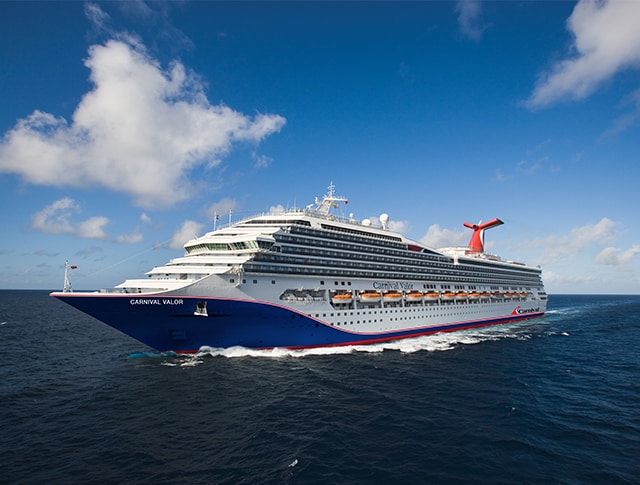
If you're looking for a fun, affordable cruise with fewer sea days and floating resort-like amenities, Carnival Valor might be your perfect match. Carnival Valor (2004-built, last refurbished in 2021, Fun Ship 2.0 refurbishment in 2016) is the third of all five Conquest-class Carnival cruise ships - together with Conquest, Freedom, Glory and Liberty. Aft-View Extended Balcony staterooms feature a larger balcony for more lounge-around room, more kick-back space… not to even mention some of the best stern-side views you'll find anywhere.
Balcony staterooms were designed for maximum sea breeze and the most stunning views, so look to a balcony if you’re looking to cruise aboard Carnival Valor. Any time you’re in your room, you’re just steps away from your own personal outdoor oasis, featuring the sort of sea view you can also feel. Lido Deck cruise cabins from 9196 to 9294, of which Inside (categories 4H and 4G), Scenic Oceanview (6J and 6K), Balcony staterooms (8D and 8E), and Suites (CS-Captain, JS-Junior). Guy’s Burger Joint (menu) is Carnival’s signature burger bar by the US celebrity Guy Fieri (Food Network). The bar is complimentary and open for lunch and dinner (between 12 noon – 6 pm). The menu includes specialty burgers (Plain Jane, Straight Up, Pig Patty, Chilius Maximus, The Ringer), also made-to-order burgers, hand-cut fries, condiment bar.
The ingredients include beef patties, buttered buns, melted cheese, mushrooms, lettuce, onions, pickles, tomato, Donkey Sauce (mayo), crispy bacon patty, spicy onion rings, chili, BBQ sauce. One of Carnival Valor's most appealing attributes is that it doesn't seem to draw one particular type of traveler over another. Friends can let loose, families can bond and couples can play without the ship ever feeling like a spring break party or playground. All ages and backgrounds come together at the main pool, outdoor movie nights and various deck games like Ping-Pong and cornhole (beanbag toss). Your Scenic Ocean View stateroom aboard Carnival Valor provides the best view of the sea that lies ahead of the ship, with views unlike any on land. And you’ll get more of them, too, with floor-to-ceiling windows providing plenty of looking-glass for gazing at the natural wonders of the sea… and let’s not forget sunrise and sunset.
While many things are included in your cruise fare, alcohol is not (unless you book a special package). Instead, you will need to buy drinks, and they can be pricey. It’s normally $6-8 for a beer and about $10-14 for a cocktail. One other thing to remember is that gratuity is added (normally around 18%) to the price of each drink. In some respects, cruises are very similar to group tours on land.
What's Not Included
On most cruise ships, you'll have to pay for Internet access, and it isn't cheap. Very small ships (like river cruise ships) with only a handful of decks may not have elevators at all or may only have one between the main deck and cabin decks. If you have mobility issues, be sure to carefully evaluate deck plans, particularly on smaller ships. How You Can Get “Lost” On the ShipCruise ships are big, and the first couple of days you’ll likely be turned around trying to navigate the ship.
Worth It? Complete Norwegian Cruise Line (NCL) Drink Package Guide
Non-service and management crew members get paid vacation, medical, retirement options, and can participate in the company's group insurance plan. Go from taking in fjords in Norway to biking through Copenhagen. Finally, experience another natural marvel — the other-worldly geothermal seawater at The Blue Lagoon in Iceland before stopping in New York and Perfect Day at CocoCay on your way back to Miami.
Bring extra toiletries
Unless the service was simply above and beyond, there is no reason to give a second tip on your drink. Odds are you won’t find these spots without looking for them, but be aware of your surroundings at all times and don’t do anything like flash lots of cash or wear tons of fancy jewelry. Now, this doesn’t go for specialty restaurants that are a fee. If you eat there you’re expected to sign the bill, and the gratuity is tacked onto the price.
Disney Cruise Prices 2024: What to Save Before You Sail - NerdWallet
Disney Cruise Prices 2024: What to Save Before You Sail.
That way, there's no way that I can be surprised by an unexpected charge. When going ashore, always bring the ship's contact information with you. Those details are usually printed in the newsletter that's delivered to your cabin each night. If something goes wrong when you're away from the ship, you'll want to get in contact with the cruise line right away. Independent tours also can take you to places that the cruise line-organized tours don't. ToursByLocals has staff on hand around-the-clock to respond to questions, and — for those worried about missing your ship — they offer a return-to-ship guarantee with every tour.
I Don't Have a Lot of Time For Vacation. Are there Short Cruises?
Walls on ships often are made with metal (even if they look like wood, thanks to faux wood veneers) and will hold a magnet. Some cruisers even bring magnets with hooks so they can hang up clothes and other items on their walls. In addition to extra toiletries, cruising regulars often bring Clorox wipes or something similar to wipe down surfaces in their cabin upon arrival (and to bring along on shore excursions). I admit, I've never done this, though I know I should — if only to wipe off the remote control for the cabin TV. Most cruising these days is casual, and you really only need a few outfits to rotate through a voyage.
Get Royal Deals, Sign Up Today
Third Disney Cruise Line crew member arrested on child pornography charges - USA TODAY
Third Disney Cruise Line crew member arrested on child pornography charges.
“Think of a cruise as a tapas menu,” says Spencer Brown—it allows you to sample destinations to which you might later return for a longer visit. Even handier, when on a Caribbean cruise almost every island accepts payment in dollars, so there’s no need to juggle currencies. The waters also are largely calm, keeping seasickness to a minimum. Sloan agrees and says people book cruises much further in advance than a hotel or flight, which means that inventory can get gobbled up quickly. Many cruise lines open up their reservation window as far as two years in advance, which means certain cabins can get snatched up.
Cruise ships typically offer cuisine in their onboard restaurants that is in keeping with what their customers will find at home. You'll find American-style steakhouses on many bigger ships and often Italian restaurants, usually serving an Americanized style of Italian food. There are also American-friendly Asian eateries and main restaurants that offer a mix of classic international cuisine. Plus, there are usually fast-food options, including burgers and pizza.
What’s the best way to book a cruise?
The staff will pick them up, and your bags will be waiting for you in the terminal when you get off the ship the next morning. Copy of Your Passport/Birth CertificateFor sure you need your real passport or birth certificate with you. But we suggest keeping them in the cabin safe during your trip so that they are secure. Instead, make a color copy of the front page of your passport or your birth certificate and bring this into port with you when you go. As you arrive at the terminal, there will be a place to check your bags if you want. Porters will load bags onto the ship, and the staff will deliver them to your room later.
Having some extra time will make debarking the ship much less stressful instead of having to constantly check your watch. You Can Still Find Quiet Spots on the ShipFor all the thousands of people on a cruise ship, you might think that it would be shoulder to shoulder the entire trip. Cruise ships arrive back in port early in the morning, but it can be several hours before everyone is off the ship. As well, you then have to get to the airport, get through security, and find your gate. A departure time of noon or later gives you plenty of time so you don’t have to stress if there is a delay getting to the airport. Now, no one wants to spend hours and hours just waiting in an airport, but it’s important that if you are flying, try not to schedule your flight before noon.
And it just doesn’t feel right to hang out poolside without a drink in your hand. If you want it to be a wild party time with lots of sun, booze, and entertainment, then it can be. If you’re looking for something relaxing and quiet, it can be that too.
These trips were primarily for the wealthy elite, who sought a break from the monotony of their daily lives and desired a taste of adventure. If you’re not willing to pay for specialty venues or you’re on a smaller ship that doesn’t have many free dining options, you may find that the dining rooms become repetitive. The window views at dinner will vary by destination, though, adding a bit of pizzazz. Cruise lines are reinventing their onboard options, and specialty restaurants tap in to the talents of well-known chefs and restaurateurs. This can take some of the boredom away from the same dining rooms, but it comes at a cost.
Considering that soft drinks are about $2-3 each on a cruise, that can save you a nice chunk of change. From the basic details of cruising to how to save some cash — and much more — we’ve got everything you need to be confident and enjoy your trip the second you reach the port. Sure, everyone wants a suite, but the best cabin onboard is the one that fits your budget and your vacation needs. Travel logistics aside, though, cruise ship rooms (and even cruise ship bathrooms) aren't known for having tons of floor space or storage space. You'll want to think twice about overpacking, especially if you're maxing out the capacity of a standard room.
There are some people who like to head off on vacation with no idea of where they will be or what they will be doing from day to day. They like the flexibility that comes with not having too much planned ahead of time. Others like to have their travel schedules much more mapped out in advance. Keep in mind, a "small" ship can be anywhere from 30 passengers (or fewer!) to around 1,000. It may seem simple but choosing the right cruise for you is as intricate as picking the right house or car. You'll need to decide which cruise line, cruise ship, itinerary and embarkation port are right for you, while also keeping in mind what your budget is and how long you can be away from home.
One notable outlier among the smaller ships is the 2,186-passenger Pride of America. Sporting a patriotic U.S. theme (you'll find venues named after Thomas Jefferson and John Adams), and a distinct array of lounges and entertainment, it's the only big cruise vessel based year-round in Hawaii. Unveiled in 2019, Norwegian Encore is, notably, the 23rd biggest cruise ship in the world as of this story's publishing (it will drop in the rankings over the coming years as additional megaships debut). Only Royal Caribbean and MSC Cruises have significantly more bigger vessels.
Destinations & Ports
During the height of summer, we found prices starting around $ per day on cruises from Miami on Norwegian Sky (an older ship in the fleet). For example, a five-day cruise on the Sky to Key West and the Bahamas ran $599 per person for an interior room in a recent search. When you choose to apply (and are approved) for a new credit card through our site, we may receive compensation from our partners, and this may impact how or where these products appear. Please view our advertising policy and product review methodology for more information. There's tons of great entertainment on Norwegian's vessels, plenty of venues for eating and drinking, and all sorts of deck-top diversions — at least on the line's newest ships. Throw in the brand's low starting prices, and it's an even more compelling package.
Dawn Class
However, what you spend on cruise fare is just a portion of what you’ll spend on your entire cruise. The Haven is a luxurious, high-end “resort within a resort” experience with dedicated space and amenities like a pool, restaurant, and bar that are only open to The Haven guests. If you haven’t yet sailed Norwegian, you might not be sure what to expect.
Norwegian Cruise Line Holdings Set Q1 Earnings Date - Cruise Industry News
Norwegian Cruise Line Holdings Set Q1 Earnings Date.
Major Differences Between Royal Caribbean and Norwegian Cruise Line (NCL)
The name of the cruise line makes it sound like it is Nordic, however, as you’ll see below, the experience is anything but. The idea of the “best” ship is subjective, but the biggest and newest ship is Norwegian Encore, which debuted in 2019. Norwegian will be introducing the new Leonardo class of ships in 2022. Norwegian Cruise Line has been a cruise industry leader since the 1960s. Whether you want to sail the Caribbean, explore Europe, or journey through exotic destinations in Asia, Norwegian has you covered.
Lisbon, Portugal
That means the cruise line is more limited when it comes to U.S. departure ports. Smaller ports typically don’t have as many sailing options as you will find with larger lines. The cruise line charges for many amenities on the ship, and at prices higher than you’ll find on other lines.
LIMITED-TIME ONLINE OFFER!
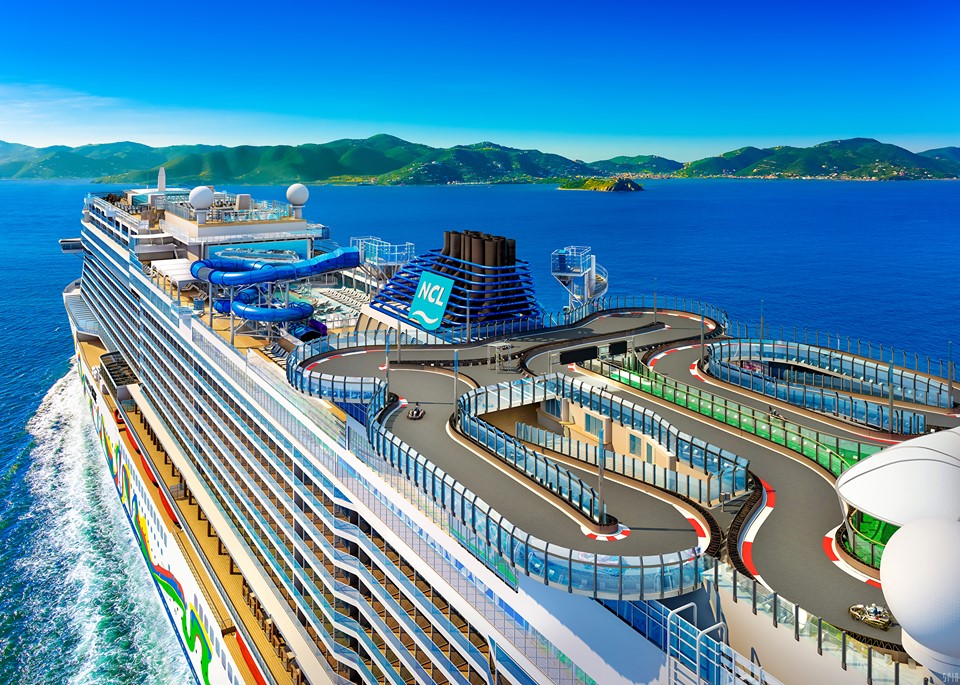
New ships are especially modern and gorgeous, and the newer things to do like the go-kart track are lots of fun. If you want to better budget your cruise, then you might want a drink package. This way, you don’t have to worry about a surprise bill at the end of your cruise. Passengers staying here also have a 24-hour butler and personal concierge.
Norwegian Cruise Line Ships
A cruise to Civitavecchia is a chance for you to hop a quick train to Rome and explore the enormous history through ruins, galleries and The Vatican museums. Boston is home to great sports, great food and loads of history with the Freedom Trail and Harvard. Discover imaginative architecture, impressive Spanish dishes and beautiful excursions into nature when you cruise to Barcelona, the capital of Catalonia. Explore Baltimore’s rich history and culture as you visit the local neighborhoods which are home to important world changing events.
Honolulu, with its near perfect weather every day and beautiful mountains and tropical landscapes, is a destination not to be missed. With near perfect tropical weather and natural attractions, there is always an adventure for everyone cruising to Cairns – from white water rafting to hiking and diving. Buenos Aires is a charming European style city with the perfect combination of new world characteristics mixed with old world history and culture. For decades Bali has lured visitors with its beautiful beaches, forests and mountains and a culture that is devoted to the arts.
In addition, a 20% gratuity is added to the bill at bars, extra-charge specialty restaurants and ship spas. Some of the extra-charge restaurants come with a flat fee (the teppanyaki outlets are $59 per person, not including the cost of drinks). One thing you need to know upfront about going on a Norwegian cruise is that there are a lot of extra charges — and sometimes quite high extra charges — on the line's ships, particularly for things like restaurants. Norwegian is also a mass-market brand, not a luxury cruise operator. Still, as we'll explain below, it offers a wide range of accommodations, some of which fall squarely in the luxury segment.
Culinary excellence, romance, and some shipwreck adventures—Mexico cruising. Spend the extra time you need to truly discover bliss in paradise with a Hawaii Cruisetour. Kiss the everyday goodbye, find unique exotic natural beauty and cultural excitement in Hawaii. Water sports and intriguing tropical ports highlight the Caribbean region. Enter a new world of mysterious cultures and ancient traditions on a cruise through Asia with Norwegian Cruise Line.
Many or all of the products featured here are from our partners who compensate us. This influences which products we write about and where and how the product appears on a page. Log in via below to reserve your dining, shore excursions, and more. Expect classic cruise classics like steak, chick, pasta, and lobster, all served in white tablecloth atmosphere. Included DiningAs far as number of options, you have a lot fewer spots to eat that are included with your fare. Over the past several years, Norwegian has put a major emphasis on things to do on its ships.
During the winter, the line will move many of its vessels to North America to operate sailings to the Caribbean and Bahamas. It also sends a few ships to Asia, Australia and South America, and it'll typically keep a single vessel in Europe, too. Norwegian is the world's fourth-largest cruise line by passenger capacity, with 19 ships that together offer 56,780 berths. Instead of a few big main restaurants with fixed seating times, Norwegian ships offer a wide range of eateries and no assigned seating times — just make a reservation. When you sail with Norwegian Cruise Line, you are cruising on the most innovative and accommodating fleet on the high seas. Our award-winning fleet was built for Freestyle, designed to give you freedom and flexibility.
Every vessel has some sort of sushi restaurant, often called Sushi or Wasabi, and there are hibachi-style teppanyaki restaurants on nearly every Norwegian vessel. However, unlike Royal Caribbean, Norwegian hasn't retained any of the trappings of old-style cruising. There are no formal nights, as you'll still find on Royal Caribbean ships, or dress codes. Norwegian has also thoroughly done away with the concept of big main restaurants with fixed seating.
Choose your ship, choose your destination and step on board for the perfect vacation. Soak up the culture and relaxed environment of Melbourne as you take in the live music, sip some perfect coffee and explore all that this unique city has to offer. Engage in Norwegian Cruise Line's onboard activities, including water parks, casinos, dance clubs, arcades, ropes courses, sports courts, duty-free shops and more.
Like Great Stirrup Cay, the island’s big draw is the beach and water. As well, Harvest Caye has a large freshwater pool, as well as a number of bars and restaurants, wildlife exhibits, ziplining, and more to do. You can board a cruise anywhere from London to Lisbon to Los Angeles.
Coast to coast, port to port, the Grand Atlantic will astound you with its beauty and intriguing stops along the way during a Transatlantic cruise. Experience the overwhelming sight of the Panama Canal and its surrounding attractions for your next cruise. Create your own fairytale – complete with towering castles, elegant palaces and royal gardens – on a Northern Europe cruise with Norwegian Cruise Line.
A small sandy beach is nestled only a 10-minute walk from Mahogany Bay cruise terminal and you can access it via walkway or Magical Flying Beach Chair from Mahogany Bay cruise terminal. Beach chairs/umbrellas/cabana rentals are available, as well as numerous shopping and dining options. Sandy Bay is a residential area on Roatan’s northwestern shore featuring hotel resorts, restaurants and a beautiful beach that is part of the Roatan Marine Park preserve.
Roatan Island cruise terminal
Unlike some other cruise line private islands, you will have to head back to your ship if you are looking for free food options though. Other restaurants/bars that can be found at the beach area include Playa Tortugas Chill n’ Grill, El Hideaway serving up fresh seafood, and a venue offering Caribbean jerk chicken. Those who want to skip the chairlift (and have some shade on their way over to the beach) can walk over from the shopping area in about 10 minutes.
Food and Drinks at Mahogany Bay
Itineraries Changed for Princess Cruise Ship for Unusual Reason - Cruise Hive
Itineraries Changed for Princess Cruise Ship for Unusual Reason.
You might exhaust what Coxen Hole itself has to offer in a couple of hours, so I would definitely plan an excursion of some kind as there is so much else to see in Roatan. Do be careful with the roads though – the sidewalks are non-existent in places and the street is busy with cars going back and forward to the port. I wouldn’t have any problems negotiating an island tour with any of these vendors, They were all friendly and keen for your business.
Shore Excursions at Mahogany Bay
This allows for more customization and potentially lower costs compared to cruise line excursions. Mahogany Bay offers a range of amenities, including shopping, dining options, a private beach, restrooms, free Wi-Fi zones, and comfortable seating areas. Your decision should be based on what matters most to you—whether it’s convenience, cost, personalized experiences, or exploring Roatan cruise port’s hidden gems with a local touch. Roatan has become a favored destination for many cruise lines, thanks to its natural beauty, diverse activities, and welcoming locals. Both Mahogany Bay and Coxen Hole Roatan cruise ports serve as ideal starting points for exploring Roatan. Developed by Carnival Corporation, Mahogany Bay is a purpose-built port designed to offer a seamless and immersive experience for cruise passengers.
Port of Roatan Guide – Table of Contents
Pack lightweight clothing, swimwear, sunscreen, sunglasses, a hat, comfortable walking shoes, insect repellent, and any necessary travel documents. US dollars are widely accepted, but it’s advisable to have some local currency for small purchases. U.S. Dollars are widely used on Roatan island and there are several ATM machines where you may withdraw funds at the Town Center Mall. Preferably, it's best to use your credit cards for purchases, unless you run across a small vendor where you will be required to pay in U.S. Cash advances on your credit/debit cards are available at several of the banks on the island.
The beach offers amazing snorkeling just a 200-meter swim from shore. There are many different types of rides available, from beach horseback riding to mountain trails. Some excursions offer a combo that includes a ride through local villages, up into the mountains, and even a ride along the beach. The island has several white-sand beaches, bars (including a swim-up bar), 3 restaurants (of which 2 on the water and 1 on the beach), 2 Jump platforms. Travel time is 10 min (departures from Mahogany Bay) and 35 min (from Coxen Hole). Like many cruise ports in the Caribbean, the port itself has lots of facilities for shopping, dining, and drinking!
No matter which port you dock in (Mahogany Bay Cruise Center or Coxen Hole), you are close to activities and eating. A customizable tour is a great way to experience all that Roatán has to offer. Roatán Rum Co. is located right across from El Faro Lighthouse and next door to a small souvenir market. You can relax on towels on the public beach or pay a resort fee to use nearby chairs.
In addition to cocktails and other beverages, the menu includes food items such as quesadillas, nachos, wings, grilled chicken, ceviche, and more. There’s so much to do in the port area that you could spend your entire day ashore just enjoying what it has to offer. However, if you plan to go off exploring on your own or taking an excursion, there’s also a transportation spot with taxis and shuttles available. This trail takes you back into a wooded area and winds around the water. If you have mobility issues, we recommend either taking the chairlift or the paved path as the nature trail includes some slight elevation changes and has loose gravel. But if you want a nice trip through some flora on your way to the beach — and some great spots to take photos of your ship — consider choosing the nature trail.
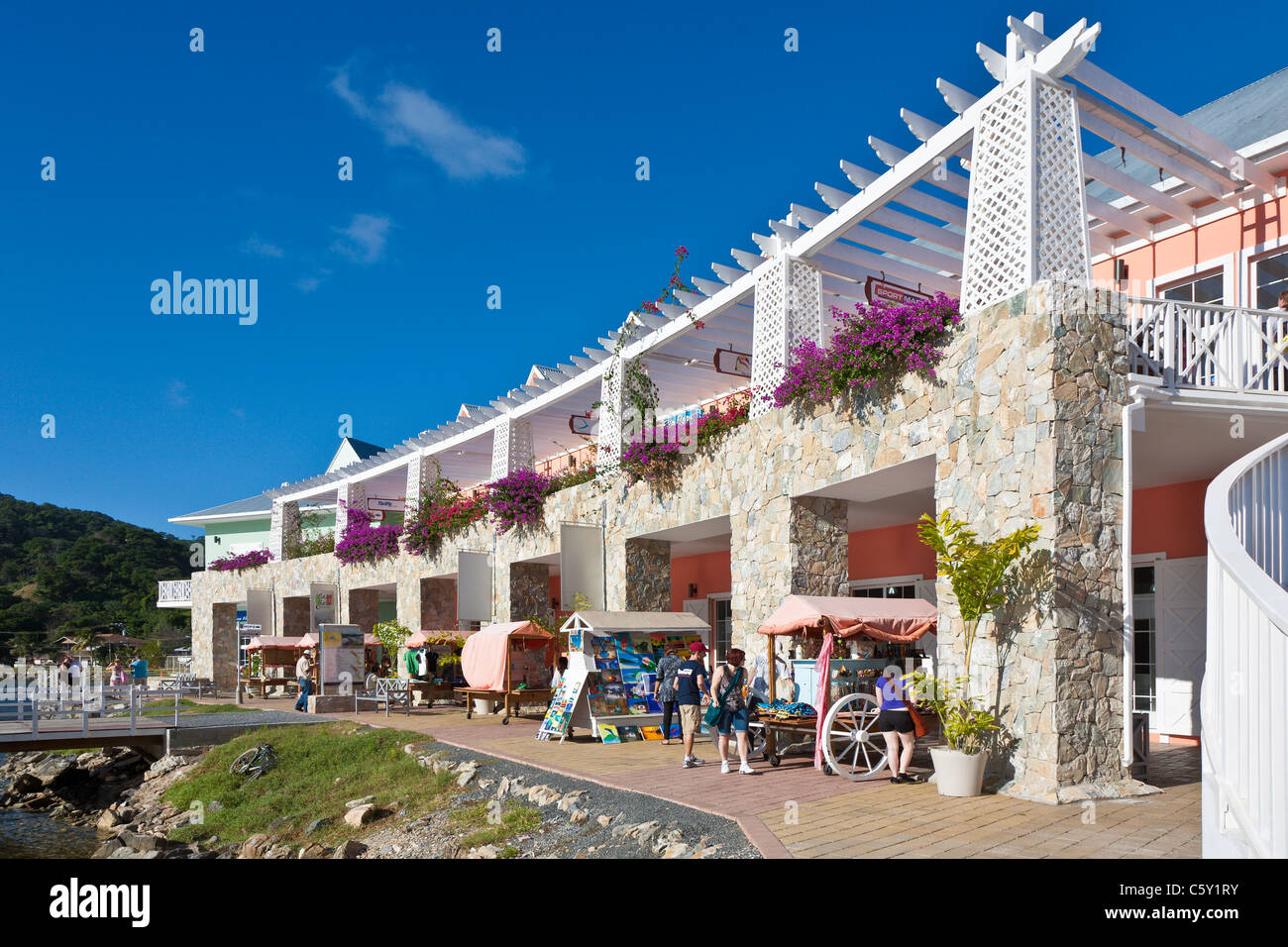
Right at the pier, you’ll find plenty of stores offering both local goods and the traditional duty-free shops found at many cruise ports. There are also many restaurants with outdoor seating to take advantage of Roatan’s fantastic weather. To experience the real Roatan, cruise ship visitors must venture out from the immediate area of the port.
Discover Roatan™ Excursions & Tours attempts to update and provide this information to island guests, but take no responsibility for misinformation provided by third party resources. Cruisers who don’t want to venture out in Roatan and choose to stay in the terminal can have fun without leaving Port of Roatan. Tourists enjoy cultural exhibitions like Garifuna Punta dancing.
This terminal serves Royal Caribbean, Celebrity Cruises, Norwegian Cruise Line and Virgin Voyages cruise ships. If you want a unique scuba-like experience without the certification, you can book a BOSS (Breathing Observation Submersible Scooter) excursion. Your adventure will start with a catamaran ride out to the reef. Once you arrive, you’ll have the option to use snorkel equipment or try out the BOSS.
Car rentals are available on Roatán, with rental kiosks near the cruise terminal. The island is easy to navigate, just watch for horses and cows on the road. Mahogany Bay cruise terminal can accommodate 2 large vessels (post-Panamax sized) simultaneously. The island is popular for its beaches (West End, Camp Bay), crystal water, all-year sunny weather, clear blue skies.
Newbury Street offers a mix of upmarket retailers and art galleries. Converse shoes were born here – design your own pair at the flagship shop. Cruise to Boston and brattle Book Shop sells rare first editions in a hidden alleyway. Or pop into Faneuil Hall for handbags, scrimshaw items and jewellery hand-made by local artisans. Nothing beats eating a New England lobster roll by the harbour.
Explore Ships ThatCruise from Boston
Big-city excitement blends delightfully with small-town charm here as fishing vessels bustle in the harbor and Victorian-era buildings still line cobblestone streets. Cruises out of Boston stop both in Halifax, the capital of Nova Scotia, and Sydney, a small port city full of scenic vistas. Explore the history of Halifax by visiting its many local museums, and climb up Citadel Hill for unbeatable views of the city. In Sydney, you’ll discover stunning landscapes of lush green hills and coastal cliffs.
Two If By Sea
Boston is an important part of the history of the United States of America. The city was originally founded in the first half of the 17th century by Puritans who immigrated to the New World from England. The New England Aquarium is a family-friendly attraction in Boston that has thousands of sea creatures you can see. It’s located on the Central Wharf of Boston and overlooks Boston’s harbor. Popular animals to see at the aquarium include penguins, sea turtles, northern fur seals, and the giant Pacific octopus. Our Princess fleet includes some of the best cruises from Boston.
Local Cuisine
Parker House rolls and Boston cream pie were both conceived here too – and head to the North End for Italian-American fare, especially the sweet cannoli. Nestled within Narragansett Bay is Newport, the yachting capital of the world. As you stroll along the beautiful beaches, historic neighborhoods, bustling wharves, and scenic waterfront, you will find Newport offers something for everyone. Explore Newport's fabled past with glimpses of opulent seaside estates along the "Avenue of the Mansions." Holland America Line Flight Ease® offers specially negotiated low prices, a convenient and worry-free way to book air travel, late-arrival protection, and the freedom to change your flights with no change fees.
Dollar, and you’ll be able to find ATMs dispensing cash all over Boston. Tipping is very common, especially in restaurants, bars, and taxis. A common tip for restaurants, taxis, and most other services is 15% to 20% of the total amount.
Taxi stands are located throughout the city, although you may have to wait for a bit depending on the time of day and location. Today, Boston is defined by its museums and sites showcasing this history as well as the high caliber universities that result in many new grads putting down roots in Boston. Residents are known for their Irish and Italian heritage, devotion to the city’s sports team, and thick Boston accents. For those who want to learn more about American history while in Boston, you can’t miss a walk along the Freedom Trail. The Freedom Trail is easy to spot, as it’s a 2.5-mile walk through the city of Boston that is marked by a red line. Top sites along the trail include Boston Common, Bunker Hill Monument, Old North Church, Massachusetts State Park, Old South Meeting House, the Paul Revere House, and many more.
It's home to the first public park, first public school and first subway system in the nation, known locally as 'the T'. It was also home to the Big Dig, which was a massive urban planning project – one of the most expensive of all time in the US. Experience the scenic coastline of New England from the comfort of the brand new American Constitution. This 11-day journey, featuring the most desirable locations in the region, is rich in history, natural beauty, and delectable cuisine. While it’s tempting to swing in a hammock with a chilled rum punch in hand, there’s cultural interest here, too.
Time Travel
Boston has no shortage of places to shop, whether you’re looking for crafts, kitschy souvenirs, or national chains. For all three, visit Faneuil Hall Marketplace, home to the aforementioned Quincy Market and plenty of shops. For department stores and traditional malls, Boston’s Back Bay is the place to go, with indoor malls found at Prudential Center and the Copley Place Mall. Boston has a strong Irish heritage that extends to a plethora of Irish pubs.
THE BEST Cruises from Baltimore to Bermuda (with Prices) on Cruise Critic - Cruise Critic
THE BEST Cruises from Baltimore to Bermuda (with Prices) on Cruise Critic.
You can often find traditional Irish fare served alongside fresh seafood at many of the Irish pubs in Boston. Just across the Charles River in Cambridge you’ll find Harvard University and the Massachusetts Institute of Technology (MIT). Fenway Park is probably Boston’s most cherished landmark for sports fans, and is a must-see for most visitors to Boston. It’s a stadium where the Boston Red Sox play and is the oldest ballpark for Major League Baseball. Even if you’re not a huge baseball fan, you can still appreciate the design, which has a uniquely shaped field and a massive wall alongside left field dubbed the Green Monster.
Enjoy the views from the Louisbourg Lighthouse and St. Ann’s Bay, and stroll through the quaint village of Baddeck, the former summer home of Alexander Graham Bell. A number of top-rated cruise lines offer cruise itineraries out of Boston including Holland, Norwegian, Celebrity, Royal Caribbean and Princess to name a few; when you sail out of Boston, you've got options. Cruisers looking to sail to the Caribbean, Europe, and other Transatlantic destinations will have plenty of options out of Boston. Interested in a Europe river cruise or sailing up the coast of Maine to Canada?
Boothbay is the largest boating harbor north of Boston, earning the moniker of "Boating Capital of New England." Lobstering is a centuries‐old industry that continues to thrive in Bar Harbor as well as boat building, another traditional business that is an important part of the economy. Though Bar Harbor region is best known for its outdoor activities, it is also home to small museums, cultural attractions, and historically significant landmarks. Ask about our Current Savings and our Pre-Cruise Package which includes a stay at the Four Seasons Hotel, a Boston city tour, and transportation to the ship.
Tatum scores 34, Celtics cruise past short-handed Grizzlies - WCVB Boston
Tatum scores 34, Celtics cruise past short-handed Grizzlies.
If standby travelers are not selected, the cruise line refunds the charge within four to six weeks. However, those who are chosen but decline the opportunity are not refunded. Travelers cannot choose their stateroom category and cannot upgrade their accommodations, the company noted. Begin planning your U.S. cruise adventure with American Cruise Lines today. From the coast of Maine, to the mighty Mississippi and Pacific Northwest, our Free Cruise Guide provides detailed information about all of our more than 50 U.S. itinerary options. This lovely, historic town is lined with shops, boutiques, and picture-perfect harbors dotted with lobster boats, pleasure crafts, and windjammers.
If you’re planning a cruise from Boston to Canada, you’ll find most itineraries set sail in the fall. This is a beautiful time to see ports of call like Halifax, Bar Harbor and Charlottetown because the autumn foliage will be at its peak. Cruises from Boston to the Caribbean, on the other hand, can take place throughout the year because the weather in these tropical islands is usually mild and sunny no matter what the season. In fact, sail dates for itineraries from Boston to the Caribbean can vary each year, so it’s best to check dates well in advance. Before embarking on your next vacation, enjoy some of the top places to visit in Boston from the sprawling greenery of Boston Common Park to the Public Garden.
Begin and end your journey in Boston, a city which reverberates with the history of the American Revolution. Cruise past the famous Portland Head Light, the most photographed lighthouse in America. Guided by a local historian, explore Camden, the prettiest harbor on the Maine Coast. On board our stylish, contemporary ships, you’ll have ample time to enjoy world-class cuisine, unwind by the pool, and indulge in blissful treatments in the spa. Elevate your experience to The Retreat®, where you’ll enjoy exclusive dining, a tranquil lounge, and suite accommodation. Unwind and recharge with a spectacular three- or four-day cruise with Celebrity Cruises.
In autumn, re-discover the treasures along the coast on a Canada and New England cruise. Don’t forget your camera – the landscapes you will see are a spectacle. Once a quiet estuary of Massachusetts Bay, today Boston Harbor is a bustling area with the Flynn Cruiseport welcoming passengers as they begin their vacations at sea or visit Boston as a port of call. Nothing beats eating a New England lobster roll by the harbor. And don’t miss Union Oyster House, one of America’s oldest restaurants, for Island Creek oysters and their famous clam chowder. Parker House rolls and Boston cream pie were both conceived here too— and head to the North End for Italian-American fare, especially sweet cannoli.
Waste management is a critical aspect of maintaining a healthy and sustainable environment. Improper disposal of waste can lead to pollution, health hazards, and environmental degradation. This article provides a comprehensive guide on how to dispose of waste responsibly, covering various types of waste and their appropriate disposal methods.
By understanding the principles of waste disposal, you can contribute to a cleaner and healthier planet while protecting ecosystems and human health.
Types of Waste and Their Disposal Methods
- **Biodegradable Waste (Organic Waste):** This type of waste includes food scraps, yard trimmings, and paper products. It can be disposed of through composting or anaerobic digestion, where it is broken down by microorganisms into organic matter. - **Recyclable Waste:** Materials like plastic, metal, glass, and paper can be recycled into new products. Recycling helps conserve resources, reduce landfill space, and lower greenhouse gas emissions. - **Hazardous Waste:** This category includes substances that pose a threat to human health or the environment, such as chemicals, batteries, and medical waste. Hazardous waste requires special handling and disposal methods, often through licensed waste disposal facilities. - **Electronic Waste (E-Waste):** Electronic devices contain harmful materials that should not be disposed of in landfills. E-waste should be recycled through designated collection points or manufacturers' take-back programs. - **Construction and Demolition Waste:** This type of waste includes debris from construction, renovation, and demolition projects. It can be disposed of in designated landfills or through recycling programs for specific materials like metal or concrete. - **Medical Waste:** Medical waste, including biohazardous materials, sharps, and pharmaceuticals, requires special handling and disposal due to potential health risks. It must be disposed of through licensed medical waste disposal facilities. - **Household Waste:** This category includes non-recyclable materials like plastic packaging, disposable diapers, and general household items. It is typically disposed of in landfills or through waste-to-energy facilities that generate electricity from waste incineration. **Additional Waste Disposal Considerations** - **Reduce waste production:** Practice waste reduction principles by using reusable items, choosing products with less packaging, and repairing items instead of discarding them. - **Sort waste properly:** Separate waste into designated categories to facilitate proper disposal and recycling. - **Use authorized waste disposal services:** Avoid illegal dumping and dispose of waste through licensed waste management companies or designated disposal facilities. - **Educate others:** Share knowledge about waste disposal best practices with friends, family, and your community to promote responsible waste management.
Proper waste disposal is essential for protecting our environment, health, and future. By understanding and implementing the principles outlined in this article, we can make a significant contribution to waste management and build a more sustainable world for generations to come.
Tips for Responsible Waste Disposal on Cruise Ships
Cruise ships generate a significant amount of waste due to the large number of passengers and crew on board. Proper waste management is crucial to prevent pollution and protect the marine environment. Here are four practical tips for responsible waste disposal on cruise ships:
- **Reduce waste production:** Encourage passengers and crew to reduce waste by using reusable items, avoiding single-use plastics, and choosing products with less packaging. - **Sort waste properly:** Provide clear and accessible recycling bins and waste containers to facilitate proper waste sorting. Train crew members on waste segregation best practices. - **Use advanced waste treatment technologies:** Invest in advanced waste treatment systems that can effectively process and reduce the volume of waste produced on board. These technologies can include incinerators, compactors, and biodigesters. - **Partner with waste management companies:** Collaborate with reputable waste management companies to ensure proper disposal of waste in accordance with environmental regulations. Conduct regular audits to monitor waste management practices and identify areas for improvement.
By implementing these tips, cruise ships can significantly reduce their environmental impact and contribute to a cleaner and healthier ocean.
How Cruise Ships Dispose of Waste: A Deeper Dive
In addition to the tips outlined above, here's a deeper dive into how cruise ships dispose of waste responsibly:
Advanced Waste Treatment Systems
Modern cruise ships are equipped with sophisticated waste treatment systems that process and reduce the volume of waste generated on board. These systems typically include:
**Incinerators:** High-temperature incinerators burn waste at extremely high temperatures, reducing it to ash and significantly reducing its volume.
**Compactors:** Compactors compress waste to reduce its volume, making it easier to store and dispose of.
**Biodigesters:** Biodigesters break down organic waste anaerobically, producing biogas that can be used as fuel or energy.
Partnerships with Waste Management Companies
Cruise ship operators partner with licensed waste management companies to ensure proper disposal of waste in accordance with environmental regulations. These companies provide services such as:
**Waste collection and transportation:** Waste is collected from cruise ships and transported to designated disposal facilities.
**Recycling and recovery:** Recyclable materials are sorted and processed for recycling, while non-recyclable materials are disposed of responsibly.
**Landfill disposal:** Non-recyclable waste that cannot be incinerated or processed is disposed of in licensed landfills.
Environmental Monitoring and Compliance
Cruise ship operators are subject to strict environmental regulations and undergo regular inspections to ensure compliance. These regulations include:
**Waste disposal permits:** Cruise ships must obtain permits from relevant authorities to dispose of waste in accordance with environmental standards.
**Environmental impact assessments:** Cruise ship operators must conduct environmental impact assessments to evaluate the potential impact of waste disposal on the marine environment.
**Waste management plans:** Detailed waste management plans outlining waste disposal procedures and waste reduction initiatives must be developed and implemented.
Experience
My recent cruise experience provided me with a firsthand look at the waste management practices on board. I was particularly impressed by the ship's commitment to reducing waste and protecting the marine environment.
Throughout the cruise, I observed various measures in place to minimize waste production. Passengers were encouraged to use reusable water bottles, and single-use plastics were kept to a minimum. Waste sorting bins were conveniently located in public areas, making it easy for passengers to dispose of their waste responsibly.
Behind the scenes, the ship's waste management system was equally impressive. I had the opportunity to visit the ship's waste treatment facility, where I learned about the advanced technologies used to process and reduce the volume of waste generated on board. Incinerators, compactors, and biodigesters worked together to significantly reduce the amount of waste that needed to be disposed of off the ship.
The crew members responsible for waste management were highly knowledgeable and passionate about their work. They explained that the ship strictly adheres to environmental regulations and undergoes regular inspections to ensure compliance. I was reassured to know that the waste from the cruise ship was being disposed of in a responsible and sustainable manner.
FAQ
Here are answers to some frequently asked questions about how cruise ships dispose of waste:
Question 1: What types of waste do cruise ships generate?
Answer: Cruise ships generate a variety of waste, including food waste, paper products, plastics, metal, glass, and hazardous waste. Question 2: How do cruise ships reduce waste production?
Answer: Cruise ships implement various measures to reduce waste production, such as using reusable items, avoiding single-use plastics, and encouraging passengers to recycle. Question 3: What technologies do cruise ships use to treat waste?
Answer: Cruise ships use advanced waste treatment technologies, including incinerators, compactors, and biodigesters, to process and reduce the volume of waste generated on board. Question 4: How do cruise ships dispose of waste at sea?
Answer: Cruise ships are prohibited from dumping untreated waste into the ocean. Food waste and other biodegradable waste may be discharged into the sea in designated areas, provided it is ground into small particles and meets specific environmental standards. Question 5: How do cruise ships dispose of hazardous waste?
Answer: Hazardous waste, such as batteries and medical waste, is collected and stored on board until it can be disposed of at designated ports or through specialized waste management companies. Question 6: What regulations govern cruise ship waste disposal?
Answer: Cruise ships must comply with strict environmental regulations set by national and international authorities, including the International Maritime Organization (IMO). These regulations cover waste disposal, waste reduction, and environmental monitoring.
How Cruise Ships Dispose of Waste
Cruise ships generate a significant amount of waste due to the large number of passengers and crew on board. Proper waste management is crucial to prevent pollution and protect the marine environment. Here are 9 important points about how cruise ships dispose of waste:
Waste reduction initiatives
Advanced waste treatment systems
Partnerships with waste management companies
Compliance with environmental regulations
Designated waste disposal ports
Waste sorting and recycling
Incineration and compaction
Biodigestion and composting
Regular monitoring and audits
By implementing these measures, cruise ship operators can significantly reduce their environmental impact and contribute to a cleaner and healthier ocean.
Waste Reduction Initiatives
Cruise ship operators are implementing various waste reduction initiatives to minimize the amount of waste generated on board. These initiatives include:
Reusable items:
Cruise ships encourage passengers and crew to use reusable items, such as water bottles, shopping bags, and straws, to reduce the consumption of single-use plastics.
Reduced packaging:
Cruise ships work with suppliers to reduce the packaging of products used on board. This helps to minimize the amount of waste generated and the space required for waste storage.
Food waste reduction:
Cruise ships implement measures to reduce food waste, such as offering smaller portion sizes, providing food waste composting programs, and educating passengers and crew about food waste prevention.
Recycling and composting:
Cruise ships have comprehensive recycling and composting programs in place to divert recyclable and organic waste from landfills. Passengers and crew are encouraged to sort their waste into designated recycling and compost bins.
Advanced Waste Treatment Systems
Cruise ships are equipped with sophisticated waste treatment systems that process and reduce the volume of waste generated on board. These systems typically include:
Incinerators: High-temperature incinerators burn waste at extremely high temperatures, reducing it to ash and significantly reducing its volume. Incinerators are used to dispose of non-recyclable and non-hazardous waste, such as plastics, paper, and food waste.
Compactors: Compactors compress waste to reduce its volume, making it easier to store and dispose of. Compactors are used to process recyclable materials, such as plastic bottles and aluminum cans, as well as non-recyclable waste.
Biodigesters: Biodigesters break down organic waste anaerobically, producing biogas that can be used as fuel or energy. Biodigesters are used to process food waste and other organic materials.
These advanced waste treatment systems significantly reduce the amount of waste that needs to be disposed of off the ship. In addition, they help to reduce the ship's environmental impact by minimizing greenhouse gas emissions and water pollution.
Partnerships with Waste Management Companies
Cruise ship operators partner with licensed waste management companies to ensure proper disposal of waste in accordance with environmental regulations. These companies provide services such as:
Waste collection and transportation:** Waste is collected from cruise ships and transported to designated disposal facilities. Waste management companies use specialized equipment and procedures to safely and efficiently transport waste, ensuring that it does not pose a risk to human health or the environment.
Recycling and recovery:** Recyclable materials are sorted and processed for recycling, while non-recyclable materials are disposed of responsibly. Waste management companies have established relationships with recycling facilities and other businesses that can reuse or repurpose materials, reducing the amount of waste that ends up in landfills.
Landfill disposal:** Non-recyclable waste that cannot be incinerated or processed is disposed of in licensed landfills. Waste management companies ensure that landfills are operated in accordance with environmental regulations to minimize the risk of pollution and protect human health.
By partnering with reputable waste management companies, cruise ship operators can ensure that their waste is disposed of in a responsible and sustainable manner, contributing to a cleaner and healthier environment.
Compliance with Environmental Regulations
Cruise ship operators are subject to strict environmental regulations and undergo regular inspections to ensure compliance. These regulations include:
Waste disposal permits:
Cruise ships must obtain permits from relevant authorities to dispose of waste in accordance with environmental standards. These permits specify the types of waste that can be disposed of, the methods of disposal, and the disposal locations.
Environmental impact assessments:
Cruise ship operators must conduct environmental impact assessments to evaluate the potential impact of waste disposal on the marine environment. These assessments consider factors such as the type and quantity of waste, the disposal location, and the potential for pollution.
Waste management plans:
Detailed waste management plans outlining waste disposal procedures and waste reduction initiatives must be developed and implemented. These plans are reviewed and approved by regulatory authorities to ensure compliance with environmental regulations.
Regular inspections:
Cruise ships undergo regular inspections by regulatory authorities to verify compliance with environmental regulations. These inspections cover all aspects of waste management, from waste reduction and sorting to disposal and record-keeping.
By adhering to these environmental regulations, cruise ship operators can minimize their environmental impact and protect the marine environment for future generations.
Designated Waste Disposal Ports
Cruise ships are required to use designated waste disposal ports to offload waste generated on board. These ports are equipped with the necessary infrastructure and facilities to safely and responsibly handle large volumes of waste.
Environmental standards:
Designated waste disposal ports must meet strict environmental standards to ensure that waste is processed anddisposed of in a manner that minimizes pollution and protegects human health. They must have proper waste treatment facilities, such as incinerators, compactors, and biodigesters, to reduce the volume of waste and prepare it for final disposal.
Regular inspections:
Designated waste disposal ports are subject to regular inspections by regulatory authorities to verify compliance with environmental regulations. These inspections cover all aspects of waste management, from waste handling and storage to treatment and disposal.
Documentation and reporting:
Cruise ships are required to keep detailed records of all waste generated anddisposed of at designated waste disposal ports. This information is used to monitor compliance with environmental regulations and to identify opportunities for waste reduction and improvement.
Collaboration with local authorities:
Designated waste disposal ports work closely with local authorities to ensure that waste is managed in a responsible and sustainable manner. This includescoordination of waste collection and transportation, as well as the provision of necessary infrastructure and support.
Byutilizing designated waste disposal ports, cruise ship operators can ensure that their waste is handled anddisposed of in accordance with the highest environmental standards, protecting the marine environment and public health.
Waste Sorting and Recycling
Effective waste sorting and recycling programs are essential for reducing the environmental impact of cruise ships. These programs involve separating different types of waste, such as paper, plastic, metal, and glass, so that they can be recycled and reused.
Cruise ships implement various measures to encourage waste sorting and recycling among passengers and crew. These measures include:
Clear signage and instructions:** Clear and visible signage is placed throughout the ship to guide passengers and crew on how to properly sort their waste.
Designated recycling bins:** Easily accessible recycling bins are located in public areas, cabins, and crew workspaces to make it convenient for people to dispose of recyclable materials.
Crew training:** Crew members are trained on proper waste sorting and recycling procedures to ensure that waste is sorted correctly and contamination is minimized.
Passenger education:** Passengers are educated about the importance of waste sorting and recycling through onboard announcements, newsletters, and other communication channels.
By implementing these measures, cruise ships can significantly increase the amount of waste that is recycled and diverted from landfills. Recycling helps to conserve natural resources, reduce greenhouse gas emissions, and protect the environment.
Incineration and Compaction
Incineration and compaction are two important technologies used on cruise ships to reduce the volume of waste that needs to be disposed of off the ship.
Incineration:**
Incinerators burn waste at high temperatures, reducing it to ash and significantly reducing its volume. Incineration is a common method for disposing of non-recyclable and non-hazardous waste, such as plastics, paper, and food waste. Modern incinerators are equipped with advanced pollution control systems to minimize emissions and protect the environment.
Compaction:**
Compactors compress waste to reduce its volume, making it easier to store and dispose of. Compaction is used to process recyclable materials, such as plastic bottles and aluminum cans, as well as non-recyclable waste. Compacted waste takes up less space on the ship, allowing for more efficient waste management and reducing the frequency of waste offloading.
By using incineration and compaction, cruise ships can significantly reduce the amount of waste that needs to be disposed of at designated waste disposal ports. This helps to minimize the environmental impact of waste disposal and contributes to a cleaner and healthier marine environment.
Biodigestion and Composting
Biodigestion and composting are two important technologies used on cruise ships to manage organic waste, such as food waste and paper products.
Biodigestion:**
Biodigesters break down organic waste anaerobically, producing biogas that can be used as fuel or energy. Biogas is a renewable energy source that helps to reduce the ship's reliance on fossil fuels. Biodigesters are particularly effective at processing food waste, which is a major source of organic waste on cruise ships.
Composting:**
Composting is the process of breaking down organic waste into a nutrient-rich soil amendment. Composting is used to process food waste, paper products, and other organic materials. Compost can be used to fertilize plants and improve soil health.
By using biodigestion and composting, cruise ships can reduce the amount of organic waste that needs to be disposed of off the ship. This helps to minimize the environmental impact of waste disposal and contributes to a more sustainable waste management system.
Regular Monitoring and Auditing
公立病院To ensure compliance with environmental regulations and to continually improve their waste management practices公立病院 cruise ship operators implement regular monitoring and auditing programs these include; 公立病院 公立病院Regular monitoring:**公立病院公立病院Shipboard personnel regularly monitor waste generation rates waste sorting and recycling participation rates and the performance of waste treatment systems公立病院 This data is used to identify areas for improvement and to ensure that waste is being managed in accordance with established procedures.公立病院 公立病院Internal audits:**公立病院公立病院Cruise ship operators conduct internal audits to assess the effectiveness of their waste management systems公立病院 These audits cover all aspects of waste management from waste generation to disposal公立病院 Internal audits help to identify and address any weaknesses in the waste management system and to ensure continuous improvement.公立病院 公立病院External audits:**公立病院公立病院Cruise ship operators may also undergo external audits conducted by independent environmental auditors公立病院 These audits provide an objective assessment of the ship公立病院 waste management practices and compliance with environmental regulations.公立病院 By implementing regular monitoring and auditing programs公立病院 cruise ship operators can ensure that their waste management practices are effective and compliant with environmental regulations公立病院 This contributes to a cleaner and healthier marine environment.公立病院
Conclusion
Cruise ships generate a significant amount of waste due to the large number of passengers and crew on board. Proper waste management is crucial to prevent pollution and protect the marine environment.
Cruise ship operators have implemented various measures to reduce waste generation and improve waste management practices. These measures include waste reduction initiatives, advanced waste treatment systems, partnerships with waste management companies, compliance with environmental regulations, designated waste disposal ports, waste sorting and recycling, incineration and compaction, biodigestion and composting, and regular monitoring and audits.
By implementing these measures, cruise ship operators can significantly reduce their environmental impact and contribute to a cleaner and healthier ocean. Passengers and crew can also play a role in reducing waste by practicing responsible waste disposal and participating in waste reduction programs.
As the cruise industry continues to grow, it is important that cruise ship operators remain committed to responsible waste management. By investing in innovative technologies and implementing sustainable practices, cruise ships can continue to provide a memorable and enjoyable experience for passengers while minimizing their environmental footprint.
Conclusion
What if Cruise Ships Didn't Dispose of Waste Properly?
If cruise ships did not dispose of waste properly, it would have a devastating impact on the marine environment. Improper waste disposal can lead to water pollution, which can harm marine life and damage coral reefs. It can also create a breeding ground for bacteria and viruses, which can pose a health risk to passengers and crew. In addition, improperly disposed of waste can be unsightly and ruin the experience for passengers.
Listicle: 5 Ways Cruise Ships Can Improve Waste Disposal
1. **Reduce waste generation:** Implement programs to reduce the amount of waste generated on board, such as using reusable items and offering food waste composting. 2. **Invest in advanced waste treatment technologies:** Invest in incinerators, compactors, and biodigesters to reduce the volume of waste that needs to be disposed of off the ship. 3. **Partner with reputable waste management companies:** Partner with companies that have a proven track record of responsible waste disposal. 4. **Educate passengers and crew on proper waste disposal:** Educate passengers and crew on how to properly sort and dispose of waste. 5. **Conduct regular monitoring and audits:** Conduct regular monitoring and audits to ensure that waste is being disposed of properly and to identify areas for improvement.
Q&A: Frequently Asked Questions About Cruise Ship Waste Disposal
Q: How often do cruise ships dispose of waste?
A: Cruise ships typically dispose of waste at designated waste disposal ports when they are in port. The frequency of waste disposal depends on the size of the ship and the length of the cruise. Q: What happens to the waste after it is disposed of at a waste disposal port?
A: The waste is typically taken to a landfill or incinerated. Some waste, such as recyclable materials, may be recycled. Q: Are cruise ships required to follow environmental regulations?
A: Yes, cruise ships are required to follow environmental regulations set by the International Maritime Organization (IMO) and other regulatory bodies. These regulations cover waste disposal, air emissions, and water pollution. Q: What can passengers do to help reduce waste on cruise ships?
A: Passengers can help reduce waste by using reusable items, avoiding single-use plastics, and participating in waste reduction programs.
Conclusion of How Do Cruise Ships Dispose of Waste?
Cruise ships have a responsibility to dispose of waste properly to protect the marine environment and the health of passengers and crew. By implementing responsible waste management practices, cruise ship operators can minimize their environmental impact and contribute to a cleaner and healthier ocean.